G&S Painting and Fine Finishes – custom residential and commercial painting

G&S News

Painting Tips, Project Guidance, and Finish Care

Helpful articles for homeowners, property managers, builders, and business owners who want cleaner results, better planning, and longer-lasting finishes.

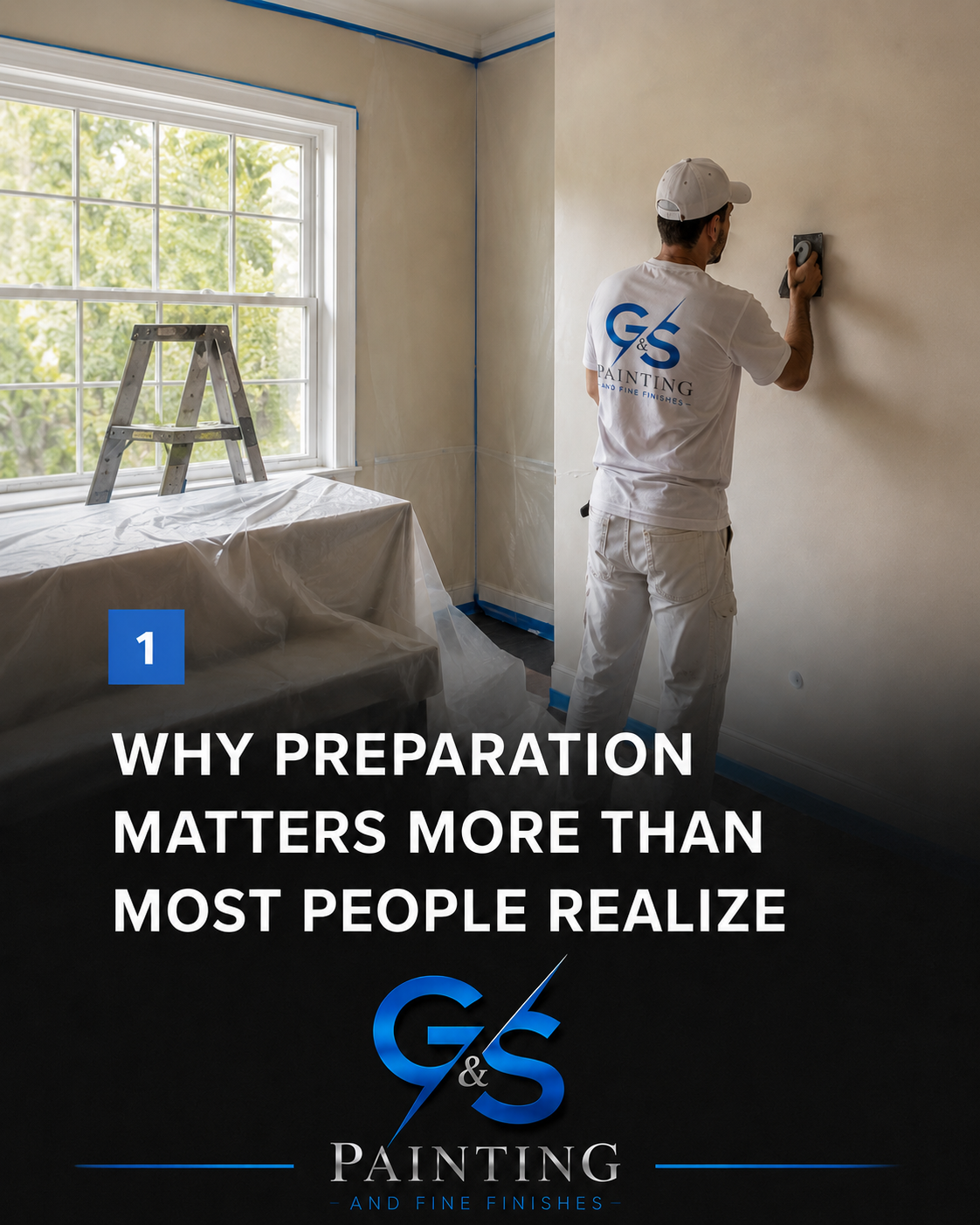
Why Preparation Matters More Than Most People Realize

Why Preparation Matters More Than Most People Realize

A beautiful paint job starts long before the first coat goes on the wall.

One of the biggest differences between a professional-looking finish and an average paint job is preparation. Most homeowners notice the final color first, but what determines how smooth, clean, and durable the finish looks is what happens before the paint is applied.

Proper preparation may include cleaning surfaces, sanding, patching imperfections, caulking gaps, protecting floors and furniture, masking trim or windows, priming where needed, and making sure the surface is ready to accept the coating system. Skipping these steps can lead to visible roller marks, flashing, peeling, uneven sheen, poor adhesion, and a finish that ages faster than it should.

At G&S Painting and Fine Finishes, we treat preparation as one of the most important parts of the project. Whether it is an interior repaint, exterior repaint, custom residential project, or commercial property, the prep work sets the standard for the finished result.

Takeaway: Paint is only as good as the surface underneath it.
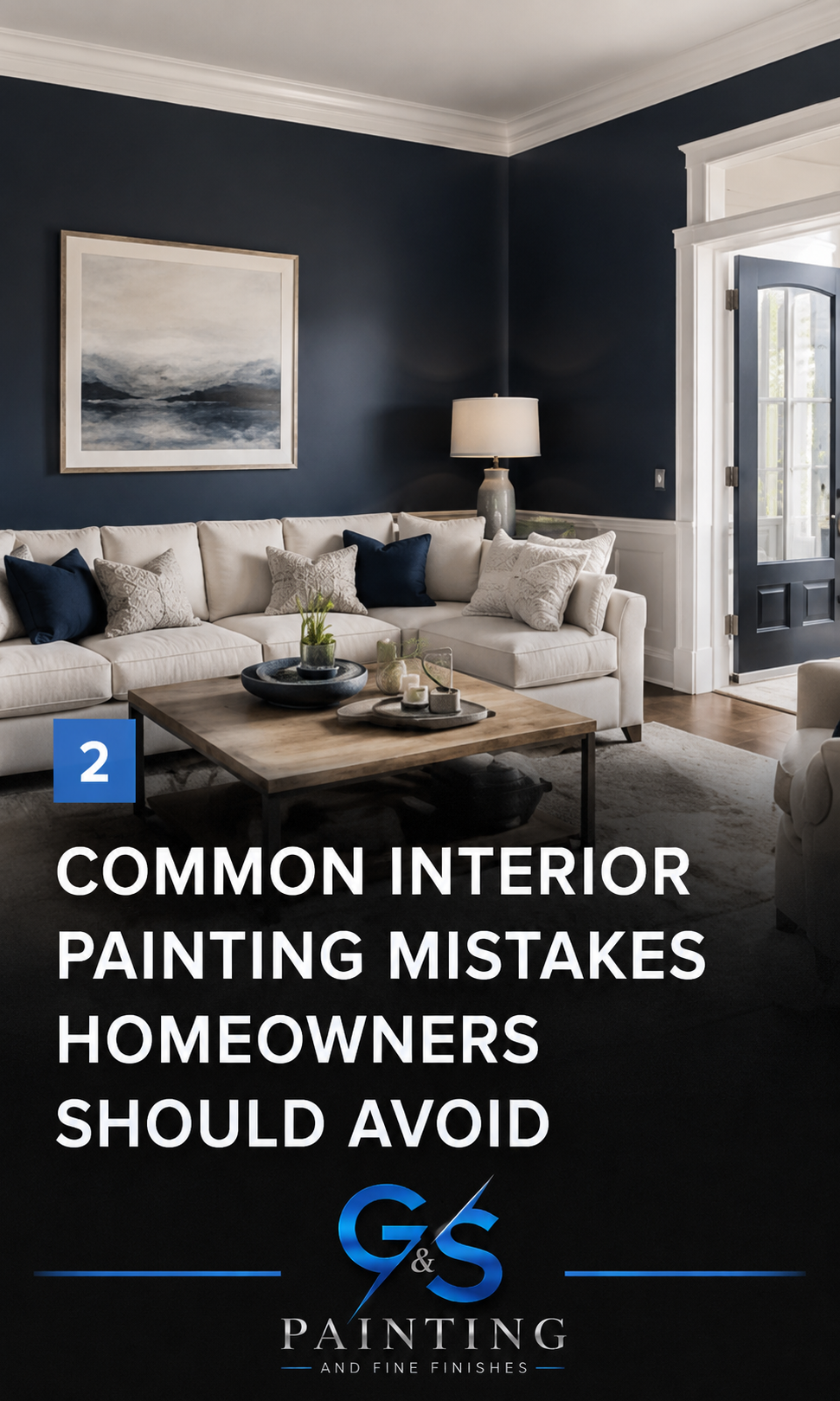
Common Interior Painting Mistakes Homeowners Should Avoid

Common Interior Painting Mistakes Homeowners Should Avoid

Interior painting may seem simple, but small mistakes can make a big difference in the finished result.

One common mistake is choosing a paint color without testing it in the actual room. Lighting, flooring, furniture, and natural sunlight can all change the way a color looks. A color that looks perfect on a sample card may feel completely different once it is on the wall.

Another mistake is overlooking surface preparation. Painting over dust, damaged drywall, old caulk, glossy surfaces, or uneven patches can leave the finish looking rough or inconsistent. Paint does not hide everything. In many cases, it highlights imperfections.

Using the wrong sheen is another issue. High-sheen paints can show wall defects more easily, while flat paints may not hold up as well in high-traffic areas. Bedrooms, hallways, bathrooms, kitchens, and trim areas may each require different product choices depending on use and durability needs.

Takeaway: The best interior paint jobs come from planning, preparation, and attention to detail.
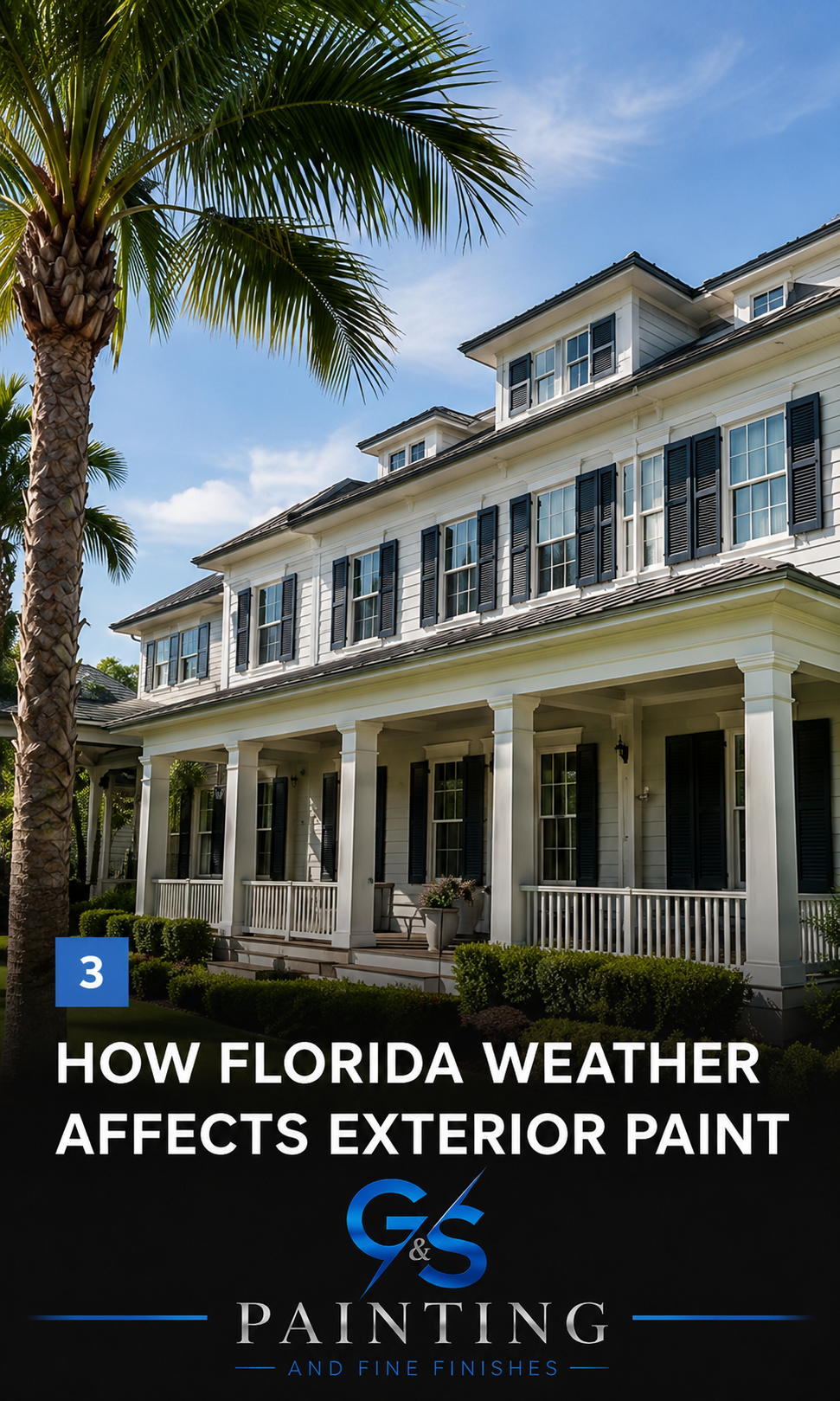
How Florida Weather Affects Exterior Paint

How Florida Weather Affects Exterior Paint

Florida is hard on exterior paint.

Between strong sun, humidity, rain, salt air, storms, and constant temperature changes, exterior coatings in South Florida deal with conditions that are more demanding than many other parts of the country. That is why choosing the right products and preparing the surface properly matters so much.

Sun exposure can cause fading and chalking. Moisture can lead to peeling, blistering, mildew, and adhesion problems. Salt air near coastal areas can accelerate wear on certain surfaces and hardware. Wind-driven rain can expose weak spots around joints, trim, windows, doors, and caulk lines.

A quality exterior repaint is not just about changing the color of a home. It is about protection. The coating system should help shield the structure from moisture, UV exposure, and everyday wear.

Takeaway: In Florida, exterior paint is both appearance and protection.
Why Hiring an Experienced Painter Can Save Money Long-Term

Why Hiring an Experienced Painter Can Save Money Long-Term

The lowest painting price is not always the lowest cost.

A cheaper paint job can become expensive when prep is rushed, the wrong products are used, surfaces are not properly repaired, or the finish begins to fail sooner than expected. Repainting too soon, fixing peeling areas, correcting poor lines, or repairing damaged surfaces can cost more in the long run than hiring an experienced painter from the beginning.

An experienced painter understands surface conditions, product compatibility, sheen selection, masking, application methods, drying times, and how different materials respond to paint or coatings. That knowledge matters on interiors, exteriors, repaints, custom residential work, and commercial properties.

Professional painting is not only about applying paint. It is about knowing what can go wrong before it happens.

Takeaway: A good painter does more than paint. A good painter protects the quality of the finished result.
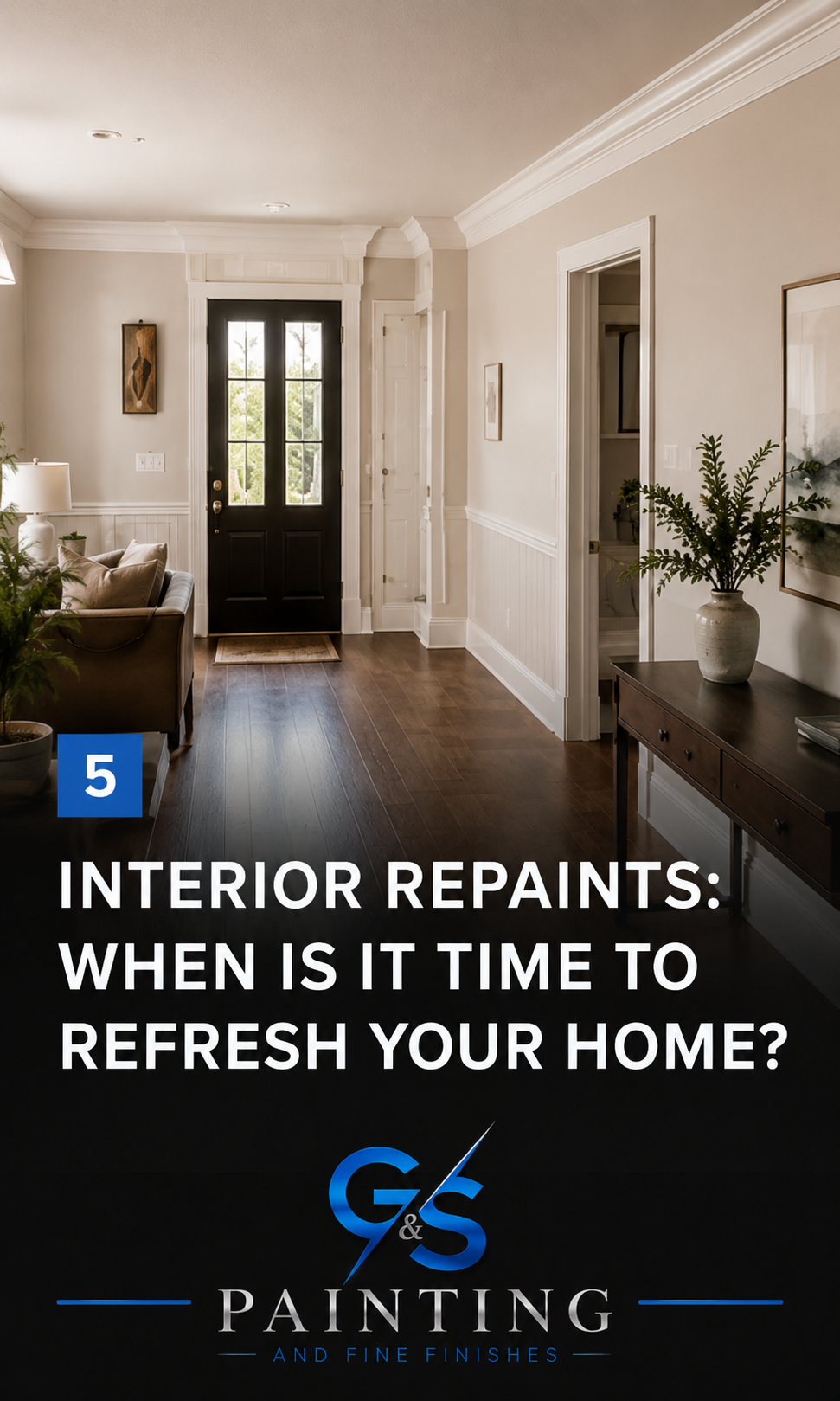
Interior Repaints: When Is It Time to Refresh Your Home?

Interior Repaints: When Is It Time to Refresh Your Home?

Most homeowners wait until paint looks obviously worn before thinking about repainting. But there are signs that a home may be ready for a refresh before the walls look terrible.

Scuffs, fading, stained areas, dull finishes, outdated colors, nail holes, cracked caulk, and uneven touch-ups can all make a room feel older than it is. In high-traffic spaces like hallways, living rooms, kitchens, stair areas, and children’s rooms, paint often wears down faster.

A repaint can make a home feel cleaner, brighter, and better maintained. It can also help prepare a property for sale, improve rental appeal, or make a recently purchased home feel more personal.

Interior repainting is also a good time to correct previous imperfections. Small drywall repairs, smoother caulk lines, better color selection, and the right sheen can make a major difference in the final look.

Takeaway: Repainting is not only about changing color. It is about restoring a clean, finished feel to the home.
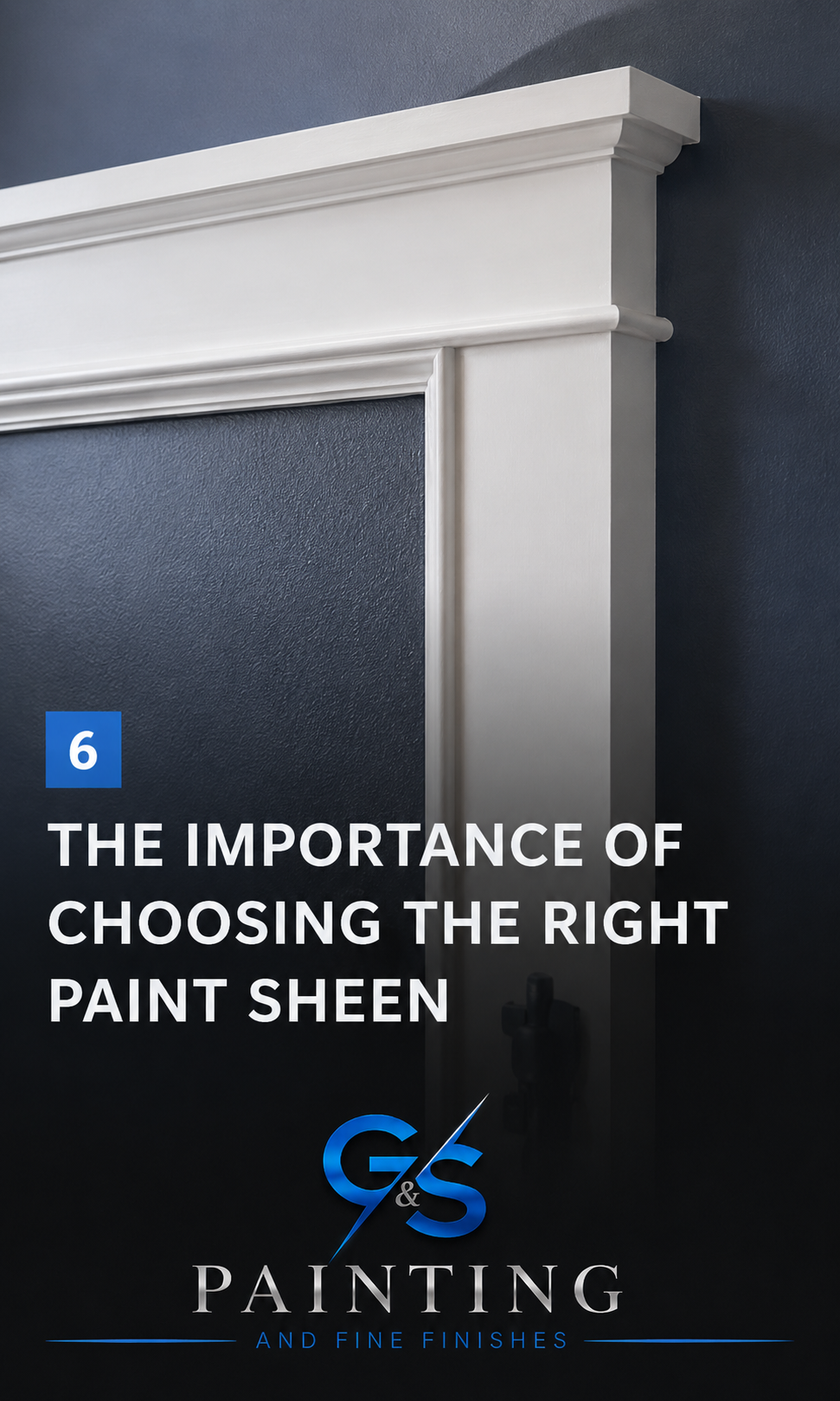
The Importance of Choosing the Right Paint Sheen

The Importance of Choosing the Right Paint Sheen

Color gets most of the attention, but sheen is just as important.

Paint sheen affects how a surface looks, how it cleans, how much light it reflects, and how visible imperfections may appear. Choosing the wrong sheen can make even a good color feel wrong in the space.

Flat or matte finishes can help hide wall imperfections, but they may not be the best choice for every high-traffic area. Eggshell and satin finishes are often used where more durability and cleanability are needed. Semi-gloss or gloss finishes are commonly used on trim, doors, and areas where a harder, more washable finish is preferred.

The right sheen depends on the room, lighting, surface condition, and how the space is used. A hallway, bathroom, kitchen, bedroom, commercial office, and custom interior may each call for a different approach.

Takeaway: The right sheen helps your paint look better, clean better, and perform better.
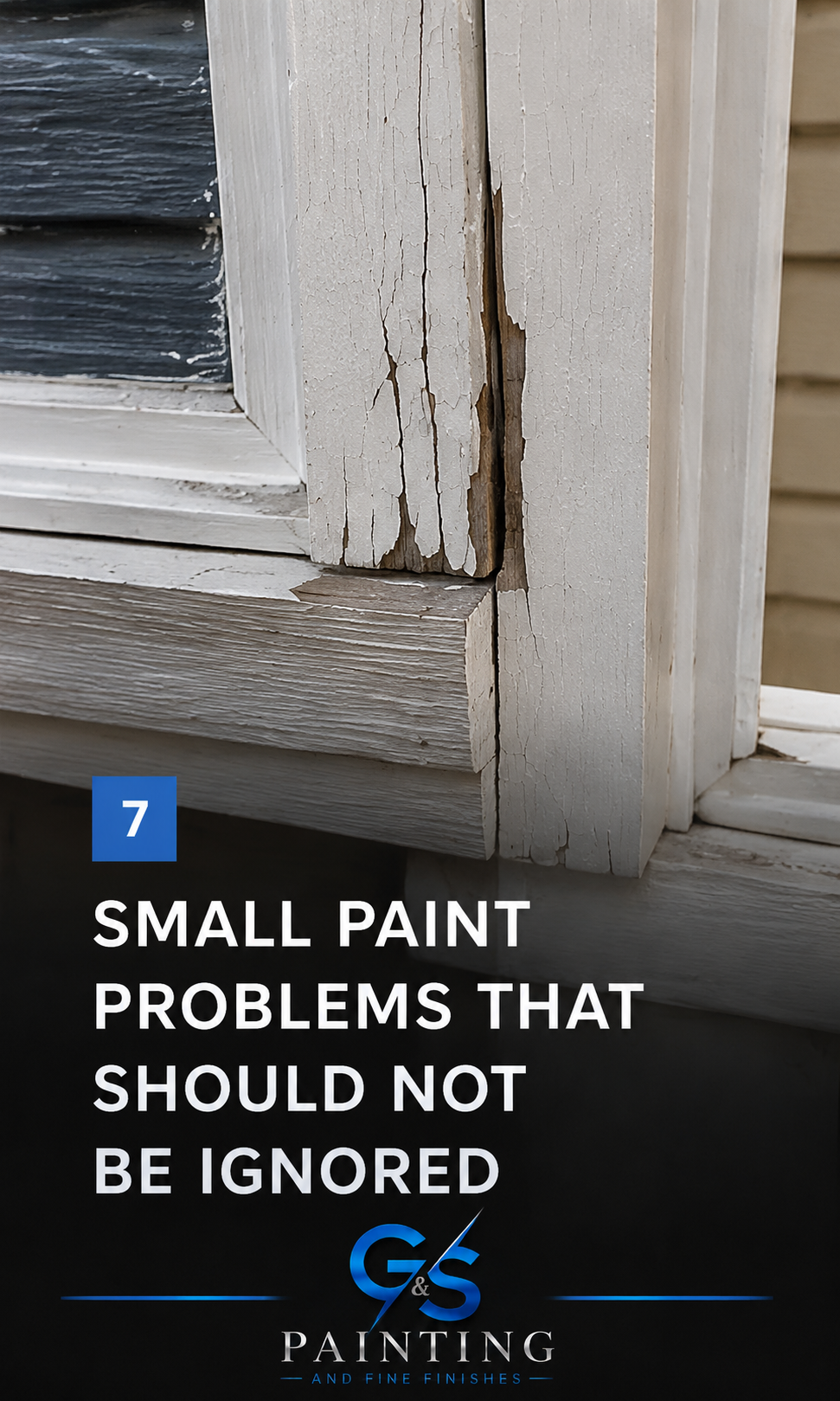
Small Paint Problems That Should Not Be Ignored

Small Paint Problems That Should Not Be Ignored

Small paint problems often become bigger problems when they are ignored.

A small crack in caulk, a peeling corner, a chip in trim, a stain on the wall, or a small area of exterior paint failure may not seem urgent at first. But over time, these issues can allow moisture in, create uneven surfaces, spread across larger areas, or make the finished space look poorly maintained.

On exteriors, small failures are especially important. Cracked caulk around windows, doors, trim, or joints can allow water intrusion. Peeling or blistering paint may point to moisture, poor adhesion, or surface contamination. Mildew or staining may suggest drainage, sprinkler, or maintenance issues.

Inside the home, small defects can stand out more than people expect, especially under natural light or around detailed trim and finish work.

Takeaway: Small issues are easier to fix before they become larger repairs.
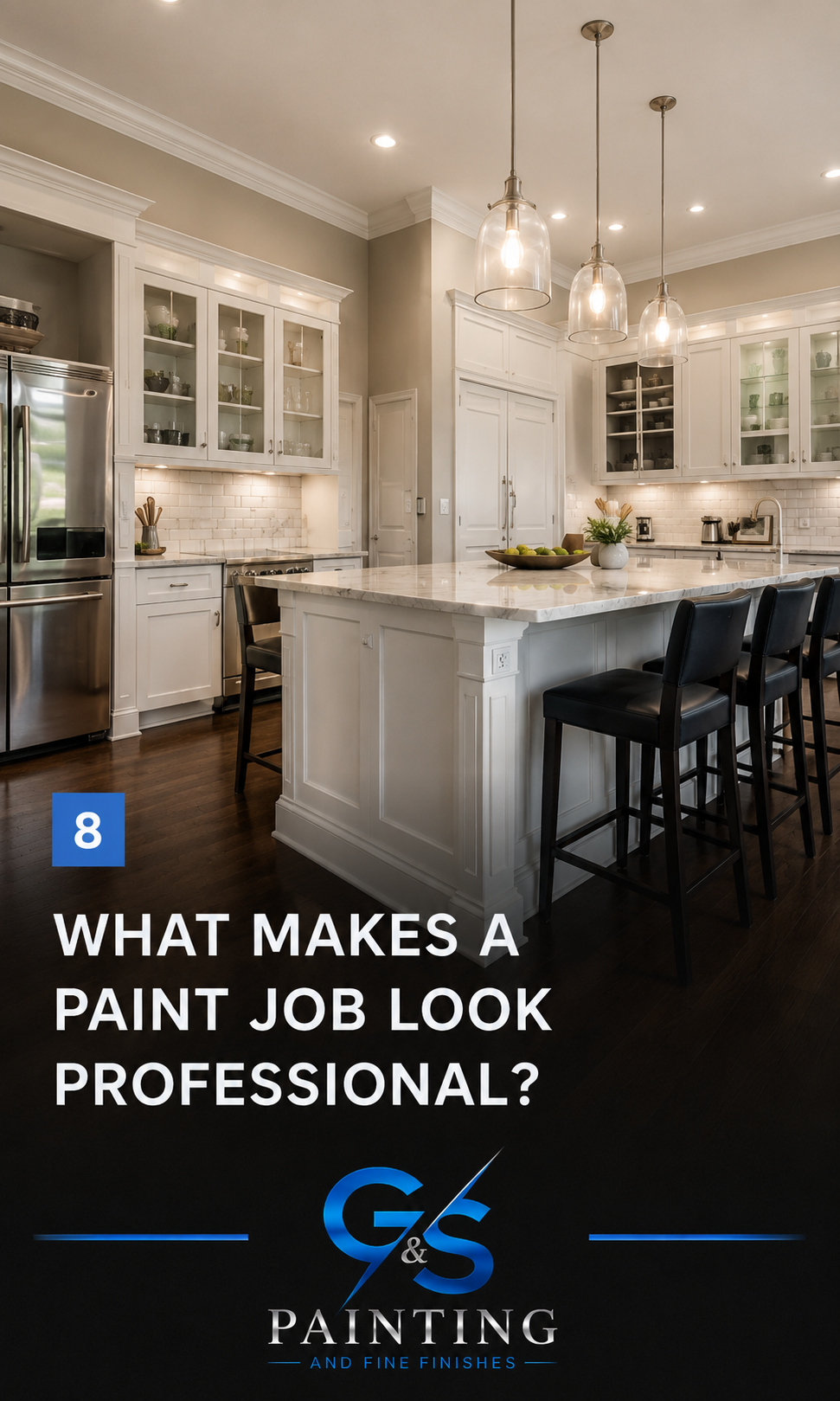
What Makes a Paint Job Look Professional?

What Makes a Paint Job Look Professional?

A professional paint job is easy to recognize, even if most people cannot explain exactly why.

Clean lines, smooth walls, consistent sheen, proper coverage, neat trim work, protected floors, sharp transitions, and a tidy jobsite all contribute to the final impression. A good paint job should feel intentional and clean, not rushed.

Professional results come from a combination of preparation, product selection, application technique, and attention to detail. The painter must understand the surface, the environment, and the finish level expected for the project.

In custom residential work, details are especially important. In commercial painting, professionalism also includes scheduling, coordination, communication, and working efficiently around project needs.

Takeaway: A professional paint job is not one detail. It is the result of many details done correctly.
Exterior Maintenance Tips After Your Home Is Painted

Exterior Maintenance Tips After Your Home Is Painted

A freshly painted exterior should be maintained if you want it to last.

After an exterior repaint, simple care can help protect color, sheen, and durability. This is especially important in Florida, where sun, rain, humidity, salt air, landscaping, and sprinkler systems can all affect painted surfaces.

One helpful habit is rinsing exterior surfaces with fresh water, especially near coastal areas or after storms. This helps remove salt, dirt, and buildup. Homeowners should avoid harsh or acidic cleaners unless the product is approved for the coating system.

Sprinklers should also be checked regularly. Constant overspray on painted walls, trim, doors, or exterior surfaces can cause staining, moisture issues, and premature wear. Landscaping should be trimmed back where it rubs against painted areas or traps moisture.

Takeaway: A little maintenance can help your exterior finish last longer and look better.
Residential Repaint vs. Custom Residential Painting: What Is the Difference?

Residential Repaint vs. Custom Residential Painting: What Is the Difference?

Not every residential painting project is the same.

A residential repaint may involve refreshing existing walls, ceilings, and surfaces to make a home feel clean, updated, and well maintained. These projects still require good preparation and professional application, but the goal is often to improve the appearance and condition of an existing space.

Custom residential painting usually involves a higher level of detail, planning, surface preparation, and finish expectations. Custom homes may include specialty finishes, detailed trim, cabinetry, millwork, doors, built-ins, paneling, staining, lacquer, or other finish work where precision matters.

Both types of projects are important, but they require different planning. A repaint may focus on efficiency, clean coverage, and a polished refresh. A custom residential project may require more coordination, finish samples, product selection, masking, sanding, spraying, and detailed quality control.

Takeaway: The right painting approach depends on the type of project, the level of detail, and the final result expected.